Your Business
How Independent Jewelers Can Grow Custom Sales Without Spending More on Marketing
· 6 min read

For most independent jewelers, the growth question sounds the same every year. Should I spend more on SEO? Run more ads? Hire a freelance designer? Bring on a CAD specialist?
Most stores invest in some mix of all of the above. And yet custom jewelry often stays below 10 percent of total revenue, even after real investment in marketing, staff time, and outside help. That is frustrating, because custom carries emotion, differentiation, and profit margins that can exceed 70% for custom designs.
The Spend Is Not the Problem
A typical independent jeweler might already be paying for SEO, ad campaigns, sales follow-up time, designer support, and CAD work.
Each of those investments sounds reasonable on its own. But when they sit in separate tools and separate workflows, the result is often the same: more effort, more fragmentation, and too little lift in conversions. The CAD drawing phase alone is the most time-consuming part of the design process, and each revision compounds the delay.
The customer clicks. The store gets the lead. Then the process slows down. That is where the money gets wasted. We covered this cycle in detail in our post on the real cost of custom jewelry design.

Why Does Marketing Alone Not Fix a Broken Conversion Experience?
Because the problem is usually not awareness. It is what happens after the customer shows interest. A 2025 custom jewelry market report found that 45% of potential buyers avoid custom entirely because the process feels too complicated. More traffic does not help if the experience lets it leak away.
A customer may be willing to design a ring or a pendant. But they want to see something and feel like the process is moving. Jewelry shoppers are 40% more likely to purchase after using a visual design tool. If your first experience is a blank form and a long wait, that lift goes to someone else.
This is why a store can keep spending on traffic and still not grow custom revenue. The demand arrives, but the process lets it leak away.
Are Skilled People Being Wasted on Low-Value Work?
Often, yes. Designers, CAD specialists, bench jewelers, and top sales associates are expensive and in limited supply.
Too often, those people get pulled into repetitive work: chasing incomplete requests, translating vague customer ideas into early-stage concepts that may never convert, and answering the same status questions over and over. AI-assisted CAD software reduces the design cycle by 40%, freeing skilled staff for the work that actually requires their expertise.
Your best people should be closing serious buyers and doing real design work. Not admin that a better process could handle.
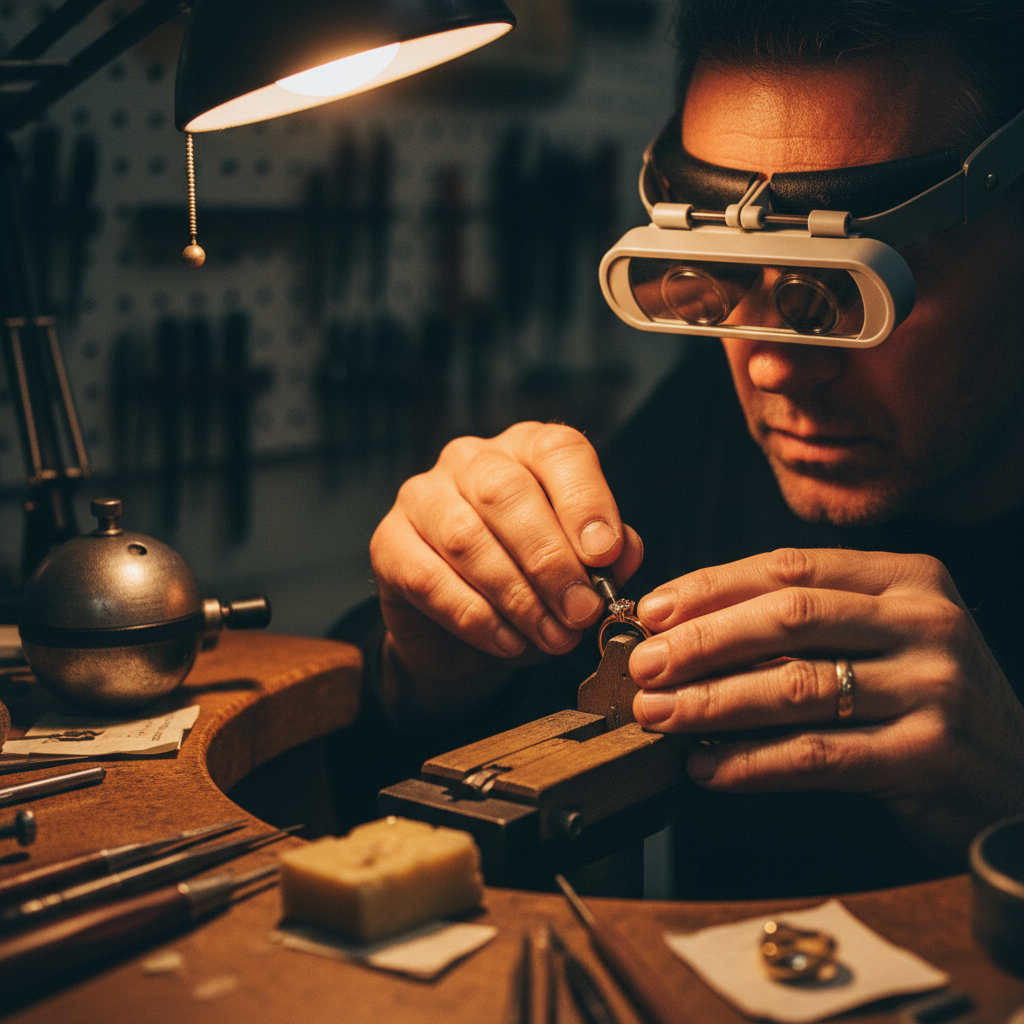
Make What You Already Spend Work Harder
The answer is not always more spend. Often it is better infrastructure behind the same spend. If you are already driving traffic, a better first experience converts more of it. If you already have sales staff, a better tool gives them more to work with. If you already pay designers and CAD resources, a better qualification process means they spend time on real opportunities instead of dead ends.
Growing custom revenue is rarely about outspending your competitors. It is about getting more out of the traffic and the team you already have.
Custom Revenue Is Not Small Because Demand Is Low
For many independent jewelers, custom stays small not because customers do not want it. 60% of consumers choose custom jewelry to express personal style. It stays small because the store does not yet have a system that makes custom easy to discover, easy to start, and easy to manage.
Without that system, marketing spend underperforms, skilled labor gets consumed on the wrong tasks, and customers lose momentum before the real conversation even begins.
Doing more of the same will not fix that. A better first experience will. See the details on the pricing page.