
For Store Owners
Your Jewelry Store Gets Its Own Design Studio
· 4 min read

Most jewelry stores handle custom orders the same way they did twenty years ago. A customer walks in, describes what they want, and the jeweler sketches something on paper or pulls up reference photos on a phone. It works, but it takes time. And it only works when the customer is standing in front of you.
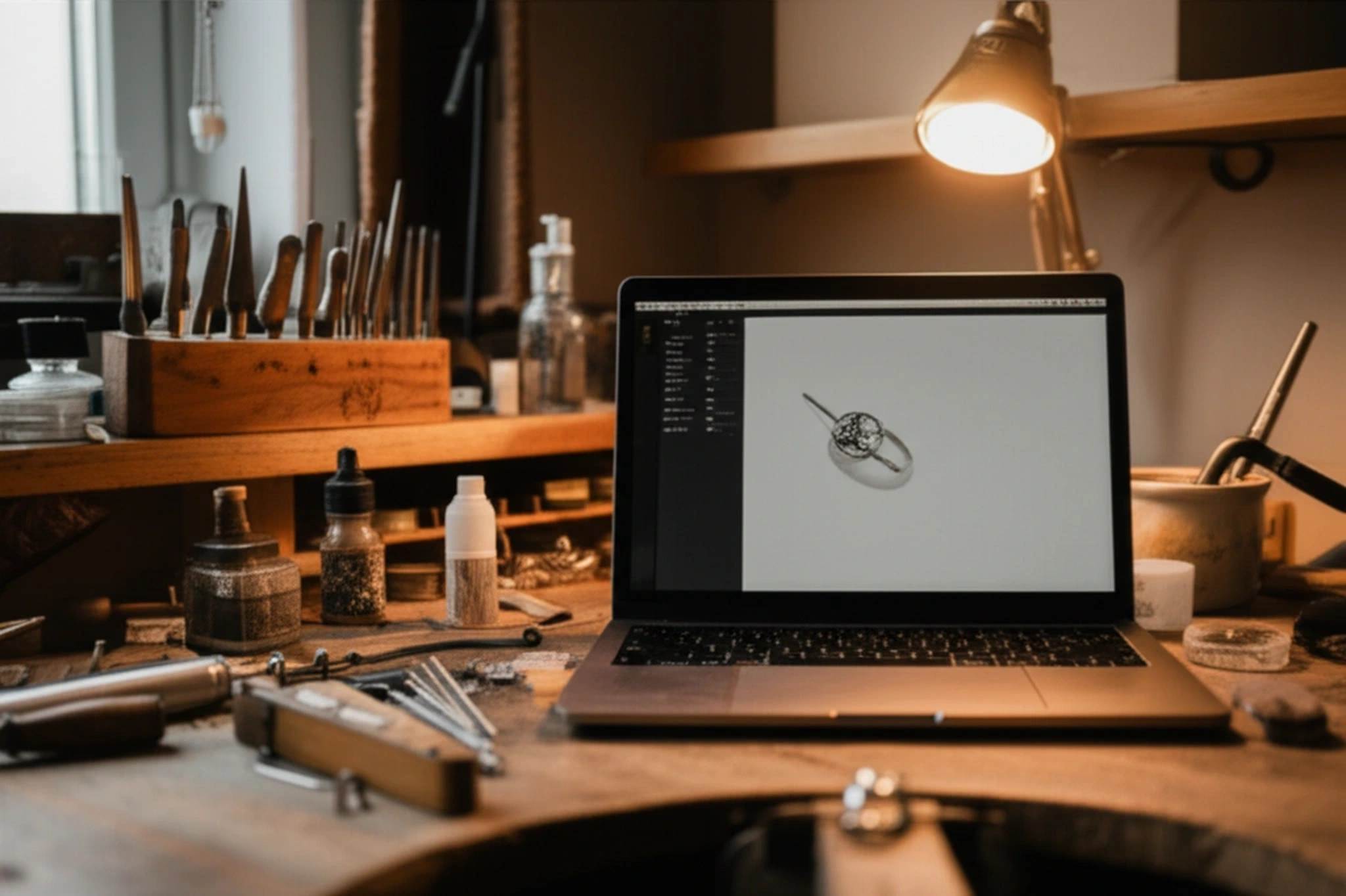
Diamra gives your store a design studio that lives on your own website. Your customers visit your branded page, type out what they have in mind, and see a visual concept generated in seconds. No phone calls or back-and-forth emails. No scheduling a consultation just to get the conversation started.
What Do Your Customers See?
Customers see your store name, your logo, and your colors. The design tool is built into your page under your brand. There is no mention of Diamra anywhere. It looks and works like your own product.
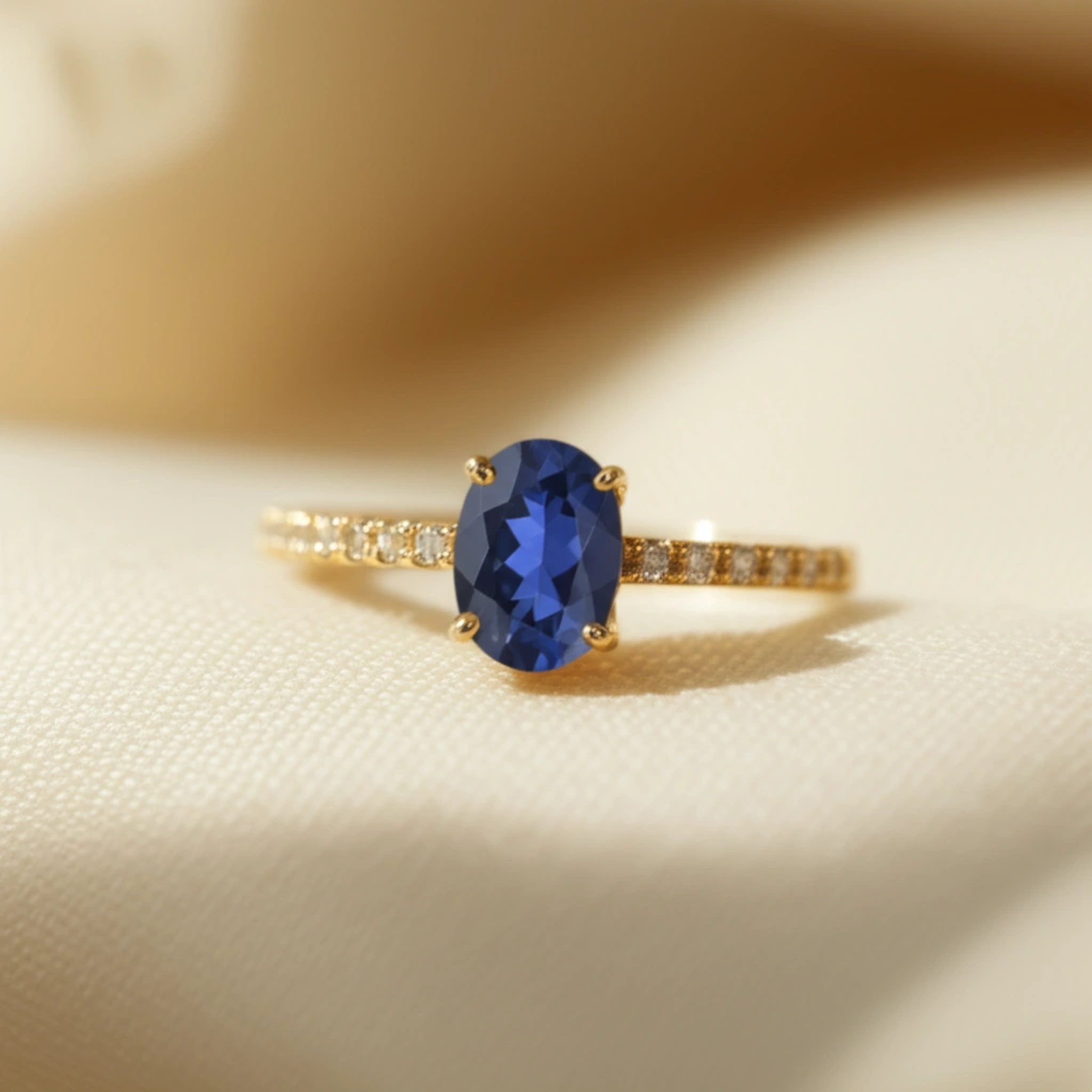
The customer types a description. Something like "gold ring with an oval sapphire and small diamonds on the band." Within seconds, they see a rendered image of what that might look like. They can adjust the description, try different metals or stones, and watch the concept update. Jewelry shoppers are 40% more likely to purchase after using a visual design or try-on tool.
Below the image, they see a price estimate based on the materials they chose and the markup you set. If they like what they see, they submit the order. It goes straight to your dashboard.
Your Dashboard, Your Control
Every order lands in a simple dashboard where you can review the design, the materials, and the customer's contact information. You decide what happens next. Accept it, suggest changes, or reach out to the customer directly.
You set your own prices. The AI estimates material costs, and you apply your markup. If gold prices shift or you want to run a promotion, you adjust your settings and the prices on your site update automatically. We covered how this pricing model works in detail in our post on the real cost of custom jewelry design.
Do You Need a Developer to Get Started?
No. You do not need a developer, a web designer, or any technical skills. Diamra sets up your branded page on a subdomain of your choosing. If your store is called Riverside Jewelry, your customers visit riverside.diamra.com. The page is ready to go.
If you already have a website, you can link to your Diamra storefront from your existing site. Your customers click through and land on a page that looks and feels like it belongs to you. You can add your store in minutes.
Why Does Custom Jewelry Bring Better Margins?
Custom jewelry achieves profit margins of 60 to 70% compared to 15 to 35% for ready-made pieces. But most stores lose potential custom orders because the process feels too complicated for the customer. 38% of consumers cite extended delivery timelines as a top concern in custom jewelry.
A design studio on your website removes that friction. Customers can explore ideas on their own time, see what things cost, and come to you with a clear picture of what they want. AI-assisted CAD software reduces the design cycle by 40%, so you spend less time on intake and more time making jewelry. See the full breakdown on the pricing page.