For Store Owners
Every Jewelry Repair Should Be Treated Like a Custom Order
· 6 min read
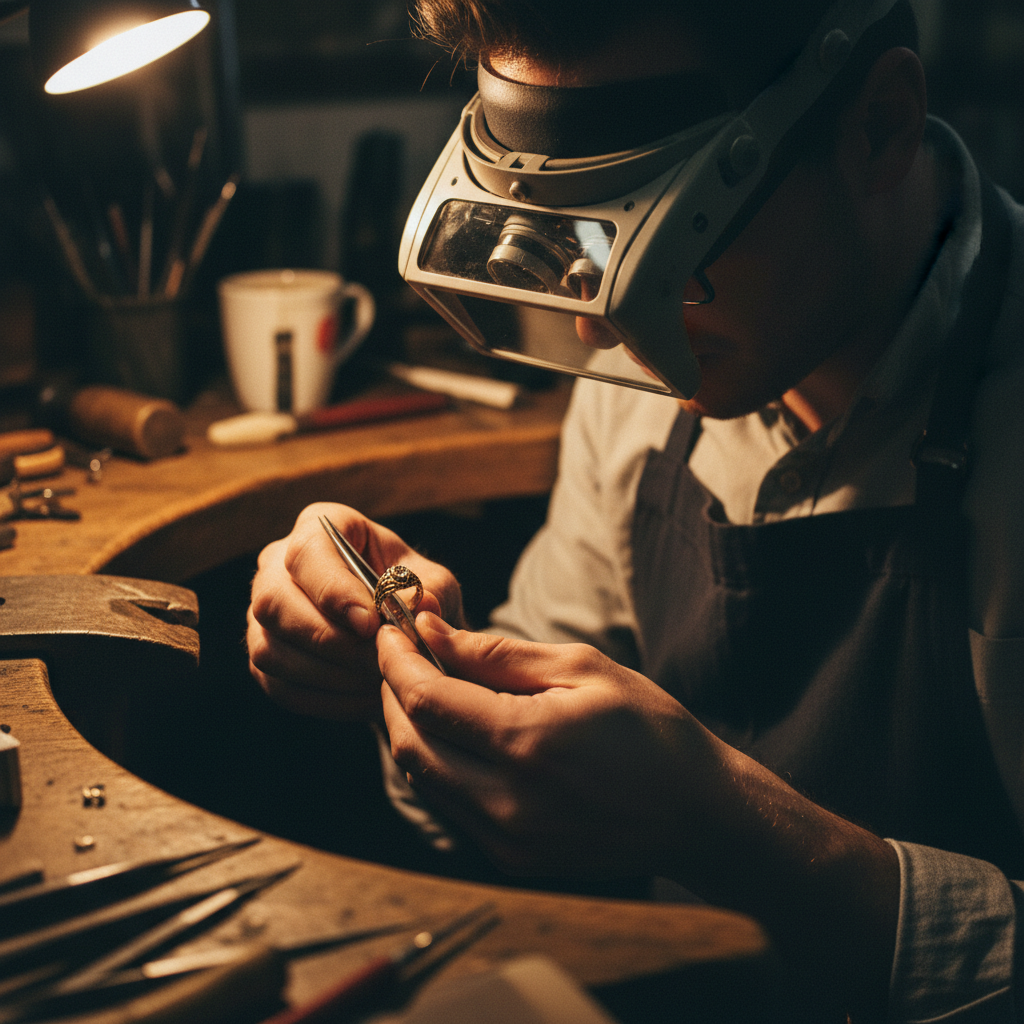
A repair customer is not just asking you to fix a piece. They are handing you something valuable, emotional, and often deeply personal. A worn engagement ring. A broken clasp on a family bracelet. A missing stone in an heirloom that has been in the family for decades.
That is more than bench work. It is the beginning of a conversation. And for independent jewelers, it deserves the same care and structure as a custom order.
How Big Is the Repair Revenue Opportunity?
Bigger than most stores realize. Repair and services revenue grew 14% year-over-year in 2025, making it one of the clearest bright spots in an otherwise challenging retail environment. The global jewelry repair market is expected to grow from $5.67 billion to $9.21 billion by 2033.
Repairs bring customers back through the door. A customer who trusts you with a repair is already one step closer to trusting you with something new. And every visit is a chance to talk about what else you can do for them.
A Repair Is Already Custom in the Ways That Matter
No two repairs are exactly the same. Every piece has its own history, condition, sentimental value, wear pattern, and customer expectations.
The customer needs guidance. They need confidence that you understand what the piece means to them, not just what is broken. They often need options they had not considered: a stronger setting, a better clasp, a resize that also addresses a worn band. As National Jeweler notes, active listening and clear communication are the foundation of every successful custom interaction.
That interaction is closer to a custom consultation than most stores realize. The difference is just how you frame it.
Where Does the Typical Repair Process Fall Short?
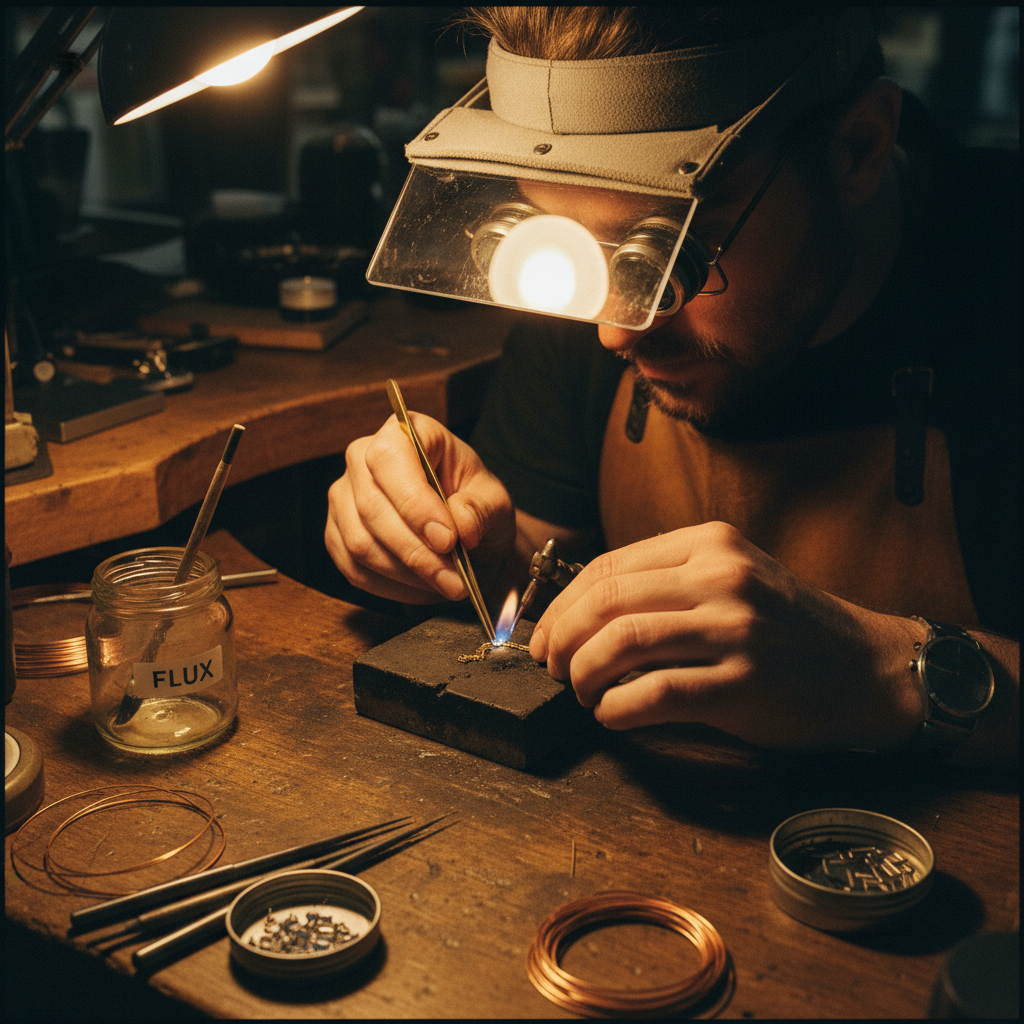
In many stores, repairs are still handled like intake paperwork. A customer drops off a piece. Notes get written down. A bench review happens later. The customer waits for an update. Follow-up depends on how busy the team is.
That process gets the job done. But it leaves value on the table. It makes the experience feel transactional. It limits the jeweler's ability to suggest a redesign or an upgrade. We see the same friction in custom orders, where weeks of back-and-forth happen before any real work begins.
Every Repair Opens a Door
A ring resize may become a chance to talk about resetting the center stone. A worn prong repair may reveal the need for a new setting entirely. A broken chain might turn into a discussion about a stronger, more modern remake.
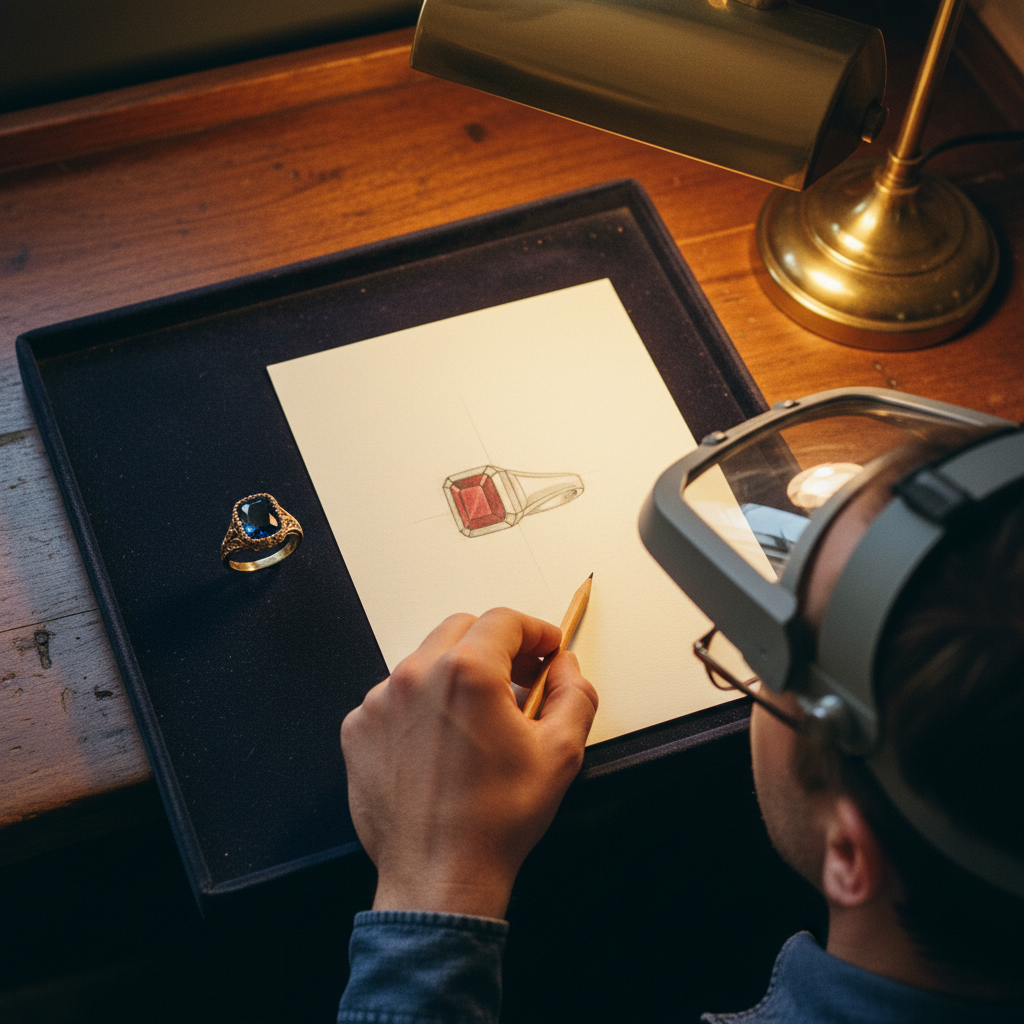
An inherited piece that no longer fits the customer's style could lead to a redesign that keeps the sentimental value but updates the look. Custom jewelry achieves profit margins of 60 to 70% compared to 15 to 35% for ready-made pieces, which makes every repair-to-redesign conversation worth having.
These are not upsells. They are natural conversations that happen when you treat the customer's piece with genuine attention, and when you have a process that makes it easy to explore what comes next.
From Service Counter to Sales Conversation
Independent jewelers do not win on product alone. They win on trust, service, and personal guidance. Repairs bring in exactly the kind of customer who is already willing to trust the store with something important.
If the workflow is too manual or too reactive, that opportunity gets reduced to a service counter exchange. A stronger process turns that same moment into a real conversation about what the customer wants next. Repair services themselves maintain 40 to 60% profit margins, with engraving services reaching as high as 70 to 80%.
You do not need to push every repair toward a redesign. You just need a process where the question gets asked naturally. Get started with your own design studio to make that conversation possible.