Your Business
The State of Custom Jewelry in 2026 and How Jewelers Can Scale It
· 5 min read
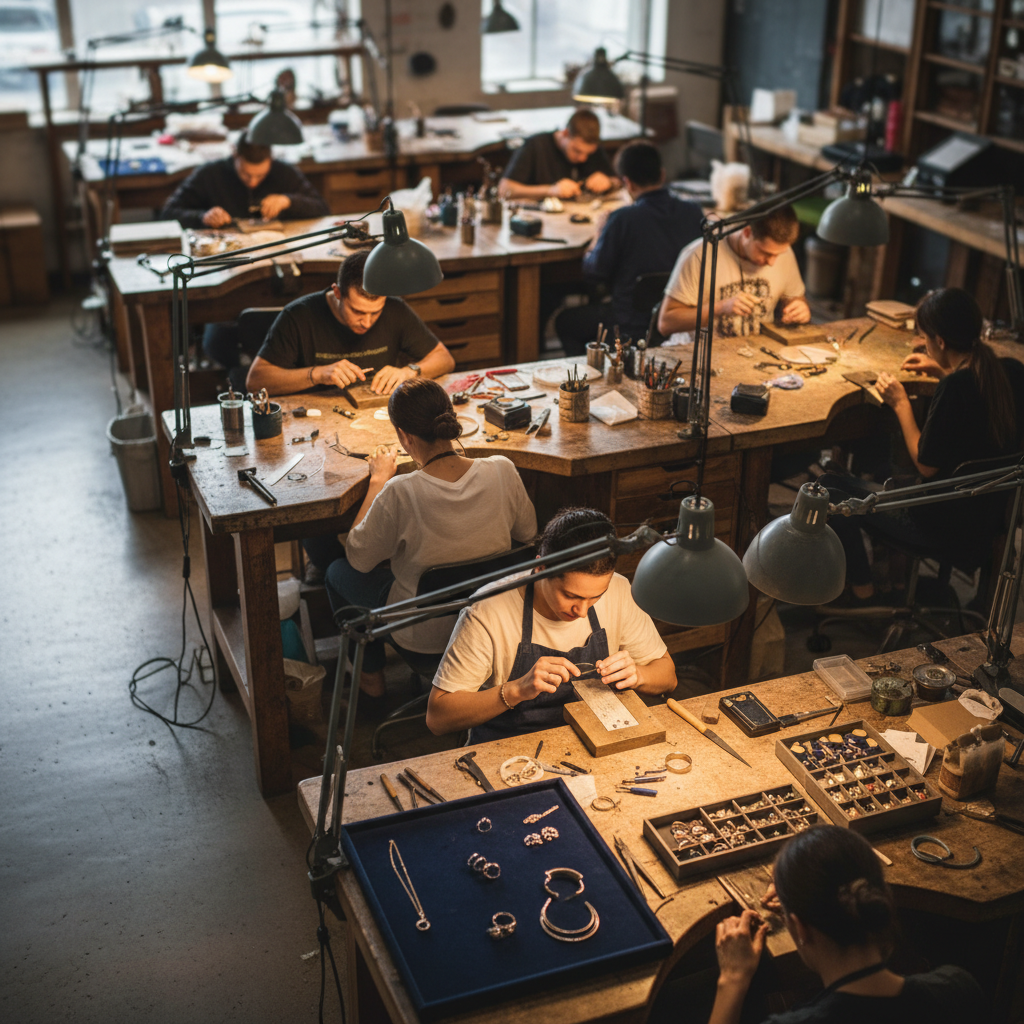
Custom jewelry is becoming one of the strongest signals in the market right now. The custom jewelry services market is growing at a 9.1% CAGR and is projected to reach $2.85 billion by 2035. Customers want jewelry that feels personal and worth remembering.
In bridal especially, personalization is becoming a bigger force. Stuller's 2025 Bridal Trend Report notes that couples are embracing individuality and personalization more than ever, with growing interest in design-driven details, unique settings, and less standardized looks.
How Big Is the Demand for Custom Jewelry in 2026?
The shift toward custom is not anecdotal. 65% of consumers prefer personalized accessories over standardized designs, and the broader customized jewelry market grew to $42.25 billion in 2026. National Jeweler's reporting on independent retailers points to resilience and opportunity, even in a more selective market.
For jewelers, custom is no longer a side service. It is a growth driver. Custom and bespoke work commands profit margins of 60 to 70%, roughly 30% higher than standard inventory. The customers who want something made for them tend to be more engaged and more willing to spend.
Why Do Jewelers Still Struggle to Convert Custom Demand?
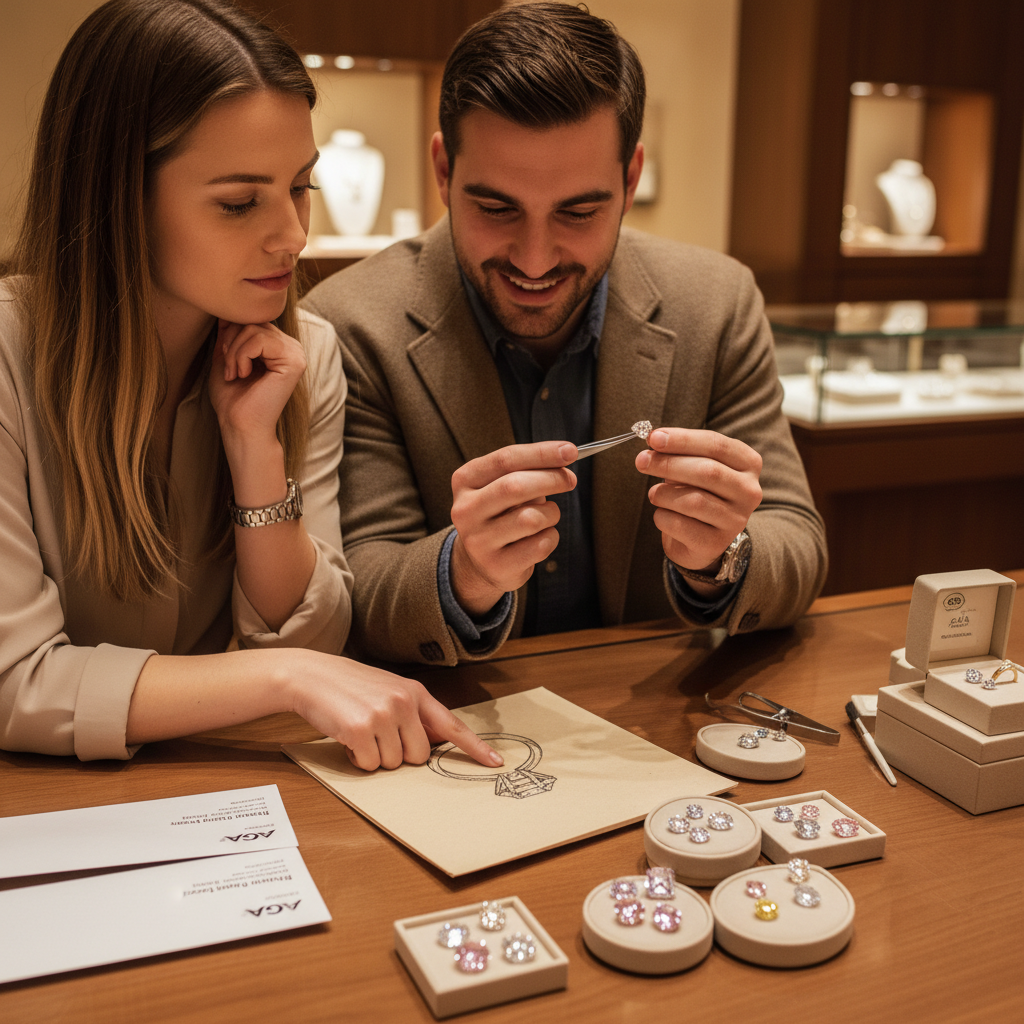
Even when demand exists, execution often breaks down. The traditional custom process still looks like this: the customer submits an inquiry, the store follows up later, a consultation is scheduled, a designer interprets the request, renderings come back weeks later, revisions add more time, and production starts after approval. The CAD phase alone is the most time-consuming part of the entire design process.
That process may produce beautiful work. But it creates friction right at the beginning, when the customer wants energy and momentum. If the experience starts with a form and a long wait, interest can fade. We covered the full workflow breakdown in our post on faster custom jewelry workflows.
The Labor Bottleneck
The industry is also dealing with a labor challenge. National Jeweler reported in 2025 that independent jeweler growth was price-driven, not demand-driven, and that service culture is becoming essential for resilience. Hiring and retaining skilled labor, from bench jewelers to retail staff, remains a significant concern.
That matters because custom work is still highly dependent on expensive human effort. Early data from AI-assisted design tools shows a 65% reduction in design time, which lets lean teams handle more custom volume without adding headcount.
The issue is not that customers do not want custom. The issue is that many jewelers do not yet have a system that makes custom easy to start, easy to manage, and easy to scale with a lean team.

What Needs to Change
The jewelers who will win in this environment are not just the ones with the best product. They are the ones who make custom easier to begin, easier to manage, and easier to scale.
That means replacing static inquiry forms with interactive starting points. It means giving customers visibility into pricing so they stay engaged. And it means giving the store a workflow that connects design, pricing, and order management in one place.
The market is moving toward more personalization and higher expectations. Jewelers are under pressure to deliver with tighter teams. The ones who make custom easy to start will pull ahead. You can add your store and get started today. See the pricing page for details.