For Store Owners
If Your Custom Jewelry Estimate Takes Days, You Are Already Losing the Sale
· 5 min read
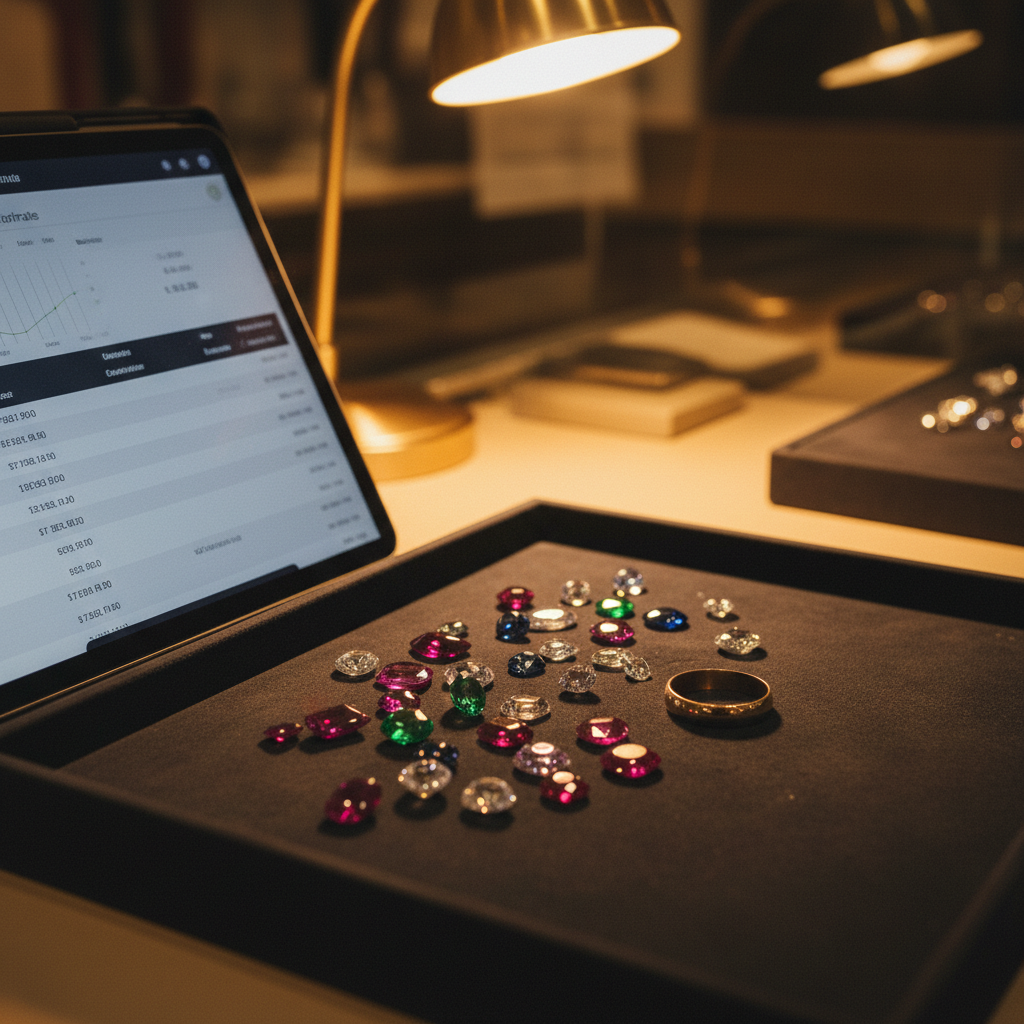
A customer is excited about a custom piece. They have described what they want, they like what they see, and then they ask the question that matters most: how much will this cost?
If the answer takes days, that excitement starts to cool. It does not matter how talented you are at the bench. Timing is part of the sale.
What Do Customers Actually Want When They Ask About Price?
A fast, realistic sense of whether the idea fits their budget. They are not asking for a production invoice down to the penny. They want to know if they should keep going or adjust their expectations.
An instant estimate gives them that confidence. Without it, they are left guessing, and 61% of consumers abandon purchases when pricing is unclear. Guessing makes people hesitate.
What Happens When Pricing Takes Too Long?
The customer starts looking at other stores, rethinks whether they really want a custom piece at all, or simply forgets and moves on. 38% of consumers cite extended timelines as a top concern in custom jewelry, and 22% of UK customers abandoned custom orders because wait times exceeded four weeks. A slow estimate reinforces that perception.
There is also a practical risk. Metal and gemstone prices shift. An estimate built on last week's spot price might not hold by the time you send it. That means another conversation, another revision, another delay. We wrote about this cycle in our post on the real cost of custom jewelry design.
A slow estimate does not just slow the sale. It can lose the sale entirely.

The First Number Matters More Than the Final One
Jewelers sometimes avoid giving early estimates because they want the number to be exact. That instinct makes sense. Nobody wants to quote too low and eat the difference later.
But the customer does not need exact. They need directional. They need to know if they are looking at eight hundred dollars or eight thousand. That range is enough to keep the process moving.
A directional estimate delivered in seconds beats a precise quote delivered in four days. The first one keeps the customer engaged. The second one often arrives after they have already moved on.
Why Does Speed Create Trust?
When a customer sees pricing quickly, it signals competence. It tells them this store knows what things cost and respects their time. Customers who see upfront pricing are 64% more likely to follow through with a purchase.
That kind of responsiveness is rare in jewelry retail. Most stores still take days to follow up on a custom inquiry. The ones that respond with real information in minutes stand out immediately. Providing basic explanations for price changes increases customer satisfaction by up to 42% compared to unexplained fluctuations.
Instant estimates do not cut corners on accuracy. They close the gap between interest and commitment.

What This Looks Like in Practice
A customer describes a yellow gold ring with an oval emerald and a thin band. Within seconds, they see a visual concept and a price estimate based on current material costs plus your store markup. AI-assisted CAD software cuts the design cycle by 40%, collapsing the time from idea to quote.
If the price is higher than they expected, they can adjust. Switch to a smaller stone, try a different metal, simplify the setting. Each change updates the estimate in real time. They explore until the design and the budget align.
By the time the order reaches your dashboard, the customer already knows what it costs and has agreed to move forward. You skip the back-and-forth that usually eats the first two weeks of a custom project. See the details on the pricing page.